For 24 years, David Chavez dedicated his life to serving others. Whether teaching students, coaching athletes, mentoring colleagues, or leading within his school, education wasn’t simply his career—it was his calling.
Then, without warning, everything changed.
A series of serious health challenges forced David into medical retirement years earlier than he had ever imagined. Like so many educators, his identity had long been rooted in the classroom and in helping others succeed. Suddenly, he found himself facing a different reality—one filled with doctor appointments, uncertainty, financial concerns, and the emotional weight of navigating a life-altering diagnosis.
“It wasn’t the physical struggle that surprised me most,” David said. “It was the isolation.”
As someone who had spent decades caring for others, learning to accept help proved difficult. Yet during his own journey, David began recognizing a troubling pattern. Many educators experiencing medical crises or devastating personal loss were quietly carrying the same burdens—often without a coordinated network of support.
Friends would bring meals. Churches would offer prayers. Coworkers would lend a helping hand when they could. But David saw a gap that many educators eventually face: when a crisis stretches from days into weeks or months, the support often becomes fragmented, even as the need continues.
As he wrestled with his own circumstances, one day he stopped asking, “Why is this happening to me?” and started asking, “Who else is on a mat right now—and who is helping carry them?”
Inspired by the biblical account of four friends carrying a paralyzed man to Jesus while refusing to let obstacles stand in the way of hope, David found new purpose in helping ensure that no educator would have to face life’s hardest moments alone.
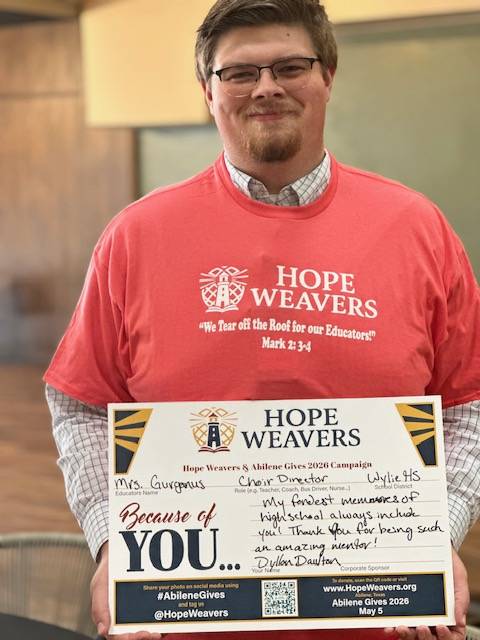
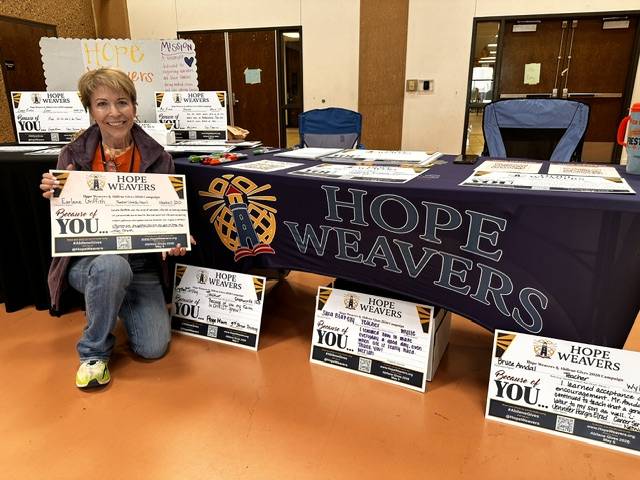
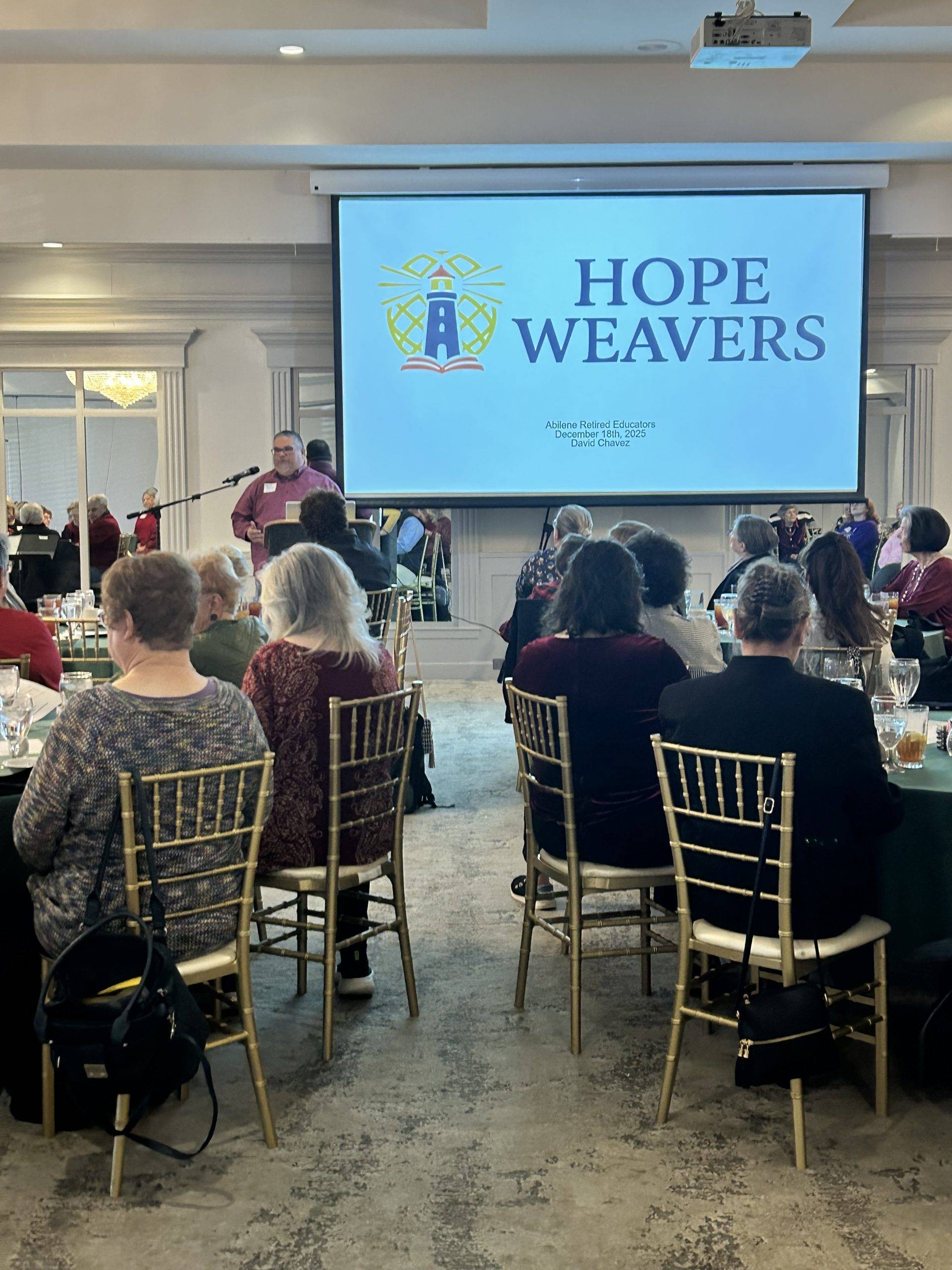
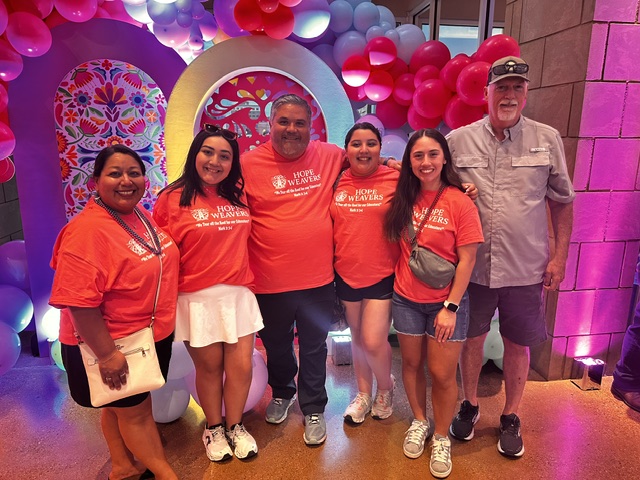
That calling became Hope Weavers, a nonprofit organization founded in Abilene that serves educators and their families during medical crises and other life-altering events. Officially launched in August 2025, Hope Weavers’ mission is simple: when educators fall, we carry the mat.
Through its four pillars of care: Mind, Body, Spirit, and Community, the organization has already served a dozen educator families by connecting them with practical resources, emotional encouragement, prayer support, financial guidance, transportation assistance, and other services.
For David, the impact isn’t measured by the number of families served—it is measured by something much deeper.
“The greatest lesson these families continue to teach us is that healing often begins when people realize they no longer have to walk through hardship alone.”
One young educator and her husband were beginning their lives together when a serious medical crisis abruptly changed their plans. As hospital stays lengthened and financial pressures mounted, Hope Weavers stepped in to coordinate practical assistance while surrounding the couple with encouragement, prayers, and compassionate support.
“What stood out most was not any single service we provided,” David said. “It was the restoration of hope.”
He has learned that crisis affects far more than physical health. It impacts emotional well-being, relationships, finances, faith, and a person’s sense of identity and purpose. That is the why Hope Weavers seeks to be “transformational rather than transactional,” he said.
David believes many educators encounter challenges that often go unseen. Serious illnesses can quickly exhaust available sick leave, leaving families to shoulder insurance premiums and other expenses while income is reduced or interrupted. Some educators must rely on donated leave from coworkers or face difficult financial decisions at the very time they should be focused on healing.
Retirement, David says, has taught him something he hopes every educator will remember.
“Purpose and position are not the same thing.”
He encourages retired educators not to underestimate the wisdom, compassion, and experience they continue to carry long after the final bell rings.
“Our influence did not retire when we did,” he said. “The most meaningful work of our lives may come after we leave the classroom.”
Today, David envisions retired educators serving as volunteers, mentors, prayer partners, advocates, and community connectors—continuing to strengthen the profession they devoted their lives to, even after retirement.
His own journey has convinced him that while careers eventually come to an end, a life of service doesn’t.
“My classroom changed. My purpose did not.”